
Why is nitrogen better for parts that are welded?
Nitrogen is better for components that are welded because it prevents oxidation as an inert gas by displacing oxygen from the welding zone. This results in cleaner weld seams, less spatter formation, and higher welding quality. Nitrogen gas protects the molten metal against contamination and ensures consistent results in various welding processes. Nitrogen functions as a shielding gas during welding processes by creating an inert atmosphere around the weld seam. Unlike ordinary air, which contains 21% oxygen, nitrogen displaces these reactive gases and prevents unwanted chemical reactions. The chemical properties of nitrogen make it extremely suitable for welding applications. As an inert gas, nitrogen does not react with […]
Is laser cutting with nitrogen better for stainless steel than oxygen?
Yes, laser cutting with nitrogen is better for stainless steel than oxygen. Nitrogen prevents oxidation during the cutting process, which results in cleaner cut edges without discoloration or burrs. This means less post-processing and better surface quality. Although oxygen cuts faster, using nitrogen with stainless steel requires fewer post-processing steps and delivers superior results. The choice of laser cutting gas directly determines the quality of your final product. Stainless steel has unique properties that make it sensitive to oxidation at high temperatures. When you use the wrong gas, unwanted chemical reactions occur that compromise the material properties. Stainless steel contains chromium that forms a protective layer […]
What is the difference between laser cutting with nitrogen and oxygen?
The main difference between laser cutting with nitrogen and oxygen lies in their function: nitrogen acts as an inert gas that prevents oxidation and ensures clean, oxide-free cuts, while oxygen functions as a reactive gas that increases cutting speed through a combustion reaction with the material. The choice between these two assist gases determines the cutting quality, processing speed, and ultimate costs of your laser cutting process. The selection of the proper assist gas in laser cutting directly determines the quality of your final product. The assist gas has three main functions: blowing away molten material from the cutting gap, cooling the cutting zone, and influencing the cutting process […]
What maintenance schedules apply to nitrogen generators in breweries?
Nitrogen generators in breweries require a systematic maintenance plan to ensure optimal performance and a long lifespan. For breweries, these generators are essential as they help maintain beer quality by preventing oxidation. An effective maintenance schedule includes daily visual inspections, weekly filter checks, monthly sensor calibration, and annual in-depth maintenance. The frequency of maintenance is related to production volumes and usage intensity. By following these schedules meticulously, you prevent unplanned downtime and ensure the continuity of your brewing process. Nitrogen generators in breweries require a structured maintenance schedule with daily, weekly, monthly, and annual checkpoints. This preventive maintenance ensures […]
What is the ideal gas pressure for different beer styles?
The ideal gas pressure for beer varies greatly depending on the beer style, with lagers and pilsners typically requiring a CO2 pressure of 1.0-1.4 bar, while ales perform optimally between 0.8-1.2 bar. Stouts and porters often need a higher pressure (1.2-1.5 bar) and are regularly pressurized with a nitrogen/CO2 mixture to achieve their characteristic creamy texture. The perfect gas pressure is determined by factors such as carbonation level, temperature, line length, and height difference. A correctly set gas pressure ensures the ideal foam head, flavor experience, and mouthfeel appropriate for each specific beer style. The proper gas pressure is essential for preserving the characteristic properties of each type of beer. When dispensing […]
What nitrogen generator capacity do I need for my brewery?
To determine the right nitrogen generator capacity for your brewery, you need to consider various factors such as tank volume, number of tanks, frequency of use, and desired nitrogen purity. For a small craft brewery, a system of 1-5 Nm³/hour is typically sufficient, while medium-sized breweries need 5-20 Nm³/hour. Larger production facilities may require 20+ Nm³/hour. A professional calculation takes into account your specific brewing processes, peak production times, and future expansion plans. The correct nitrogen generator capacity is essential for an efficient and reliable brewing process. A system that’s too small can lead to production delays and quality loss, while a system that’s too large results in unnecessarily high investment costs and energy consumption […]
What are the advantages of 70% nitrogen / 30% CO2 mixed gas?
A 70% nitrogen / 30% CO2 gas mixture offers significant advantages for various industrial applications, including breweries. This specific gas mixture combines the inert properties of nitrogen with the antibacterial and soluble properties of CO2, resulting in improved production processes, longer product shelf life, and cost savings. For breweries, this gas mixture can help with transferring beer without excessive CO2 absorption, while simultaneously preventing oxidation and improving the quality of the final product. A 70% nitrogen / 30% CO2 gas mixture is a carefully composed combination of two gases, each contributing specific properties to the overall mixture. Nitrogen (N₂) is an inert gas […]
How does nitrogen affect the taste of beer compared to CO2?

Nitrogen and CO2 influence the taste of beer in different ways. While CO2 provides the characteristic tingling sensation and sharper acidity,
How much can I save by switching from CO2 to nitrogen in MAP?
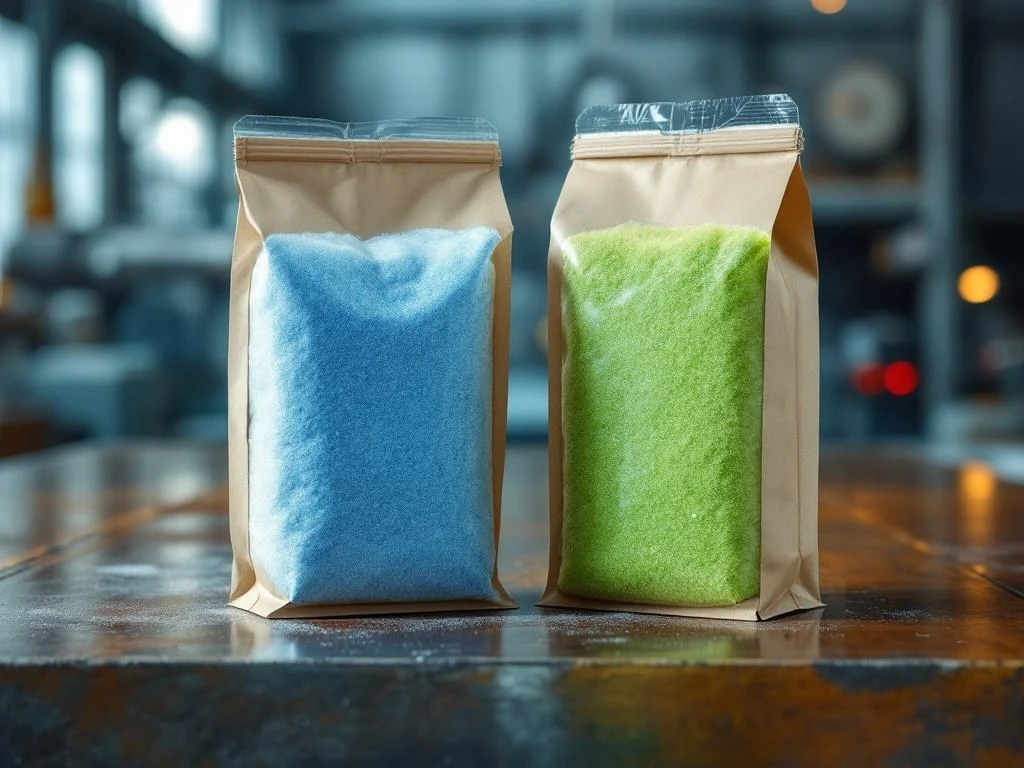
Switching from CO2 to nitrogen in Modified Atmosphere Packaging (MAP) can significantly reduce your company’s operational costs. On average, a medium-sized business can save 30-50% on gas expenses by transitioning to in-house nitrogen production. These savings result from lower purchase costs, reduced transportation and storage expenses, and the ability to produce nitrogen on-site. The exact savings depend on your current CO2 consumption, production volume, and specific business processes. For most companies, the return on investment for a nitrogen generator is between 1-3 years. Transitioning from CO2 to nitrogen in MAP packaging offers various advantages for food producers and packaging companies. Nitrogen is an inert […]