

What are the differences between nitrogen for MAP and other applications?
Nitrogen for MAP (Modified Atmosphere Packaging) differs in important aspects from nitrogen for other industrial applications. The biggest difference lies in the purity requirements, delivery method, and system configuration. In MAP applications, nitrogen is used to replace oxygen in food packaging with a typical purity of 99.5%, while other applications such as in the electronics industry may require purities up to 99.9999%. The systems for MAP are often optimized for constant, relatively low-pressure production, whereas other industrial applications often need higher pressure or volume-specific configurations. Modified Atmosphere Packaging (MAP) is a technique where the natural air in packaging is replaced by a controlled gas mixture, primarily […]
What is the difference between pure nitrogen and mixed gas for beer tapping?
The most important difference between pure nitrogen and mixed gas when tapping beer lies in their effect on the taste, texture, and presentation of the beer. Pure nitrogen (N2) creates a creamy, fine-meshed foam and a smoother taste experience, ideal for stouts and porters. Mixed gas, a combination of CO2 and N2, offers a balance between carbonation and foam stability, perfect for pilsners and lagers. The choice between both gases depends on the beer type, desired taste experience, and the specific tap system you are using. When tapping beer, the gas used plays a crucial role in the ultimate quality of the poured product. The […]
How do I prepare my compressed air system for future expansion?
Preparing a compressed air installation for future expansion begins with calculating your current and expected air requirements, followed by installing oversized piping and electrical infrastructure. Choose modular compressor systems with parallel configuration and reserve sufficient space for additional compressors. Good planning prevents costly modifications later. Strategic planning for compressed air installations prevents expensive modifications later and optimizes your investments. The difference between planning ahead and expanding afterward can save thousands of euros. When you must expand afterward, problems often arise with undersized piping, insufficient electrical capacity, and space constraints. These modifications require production downtime and additional work on existing […]
What compressors do you need for in-house nitrogen production?
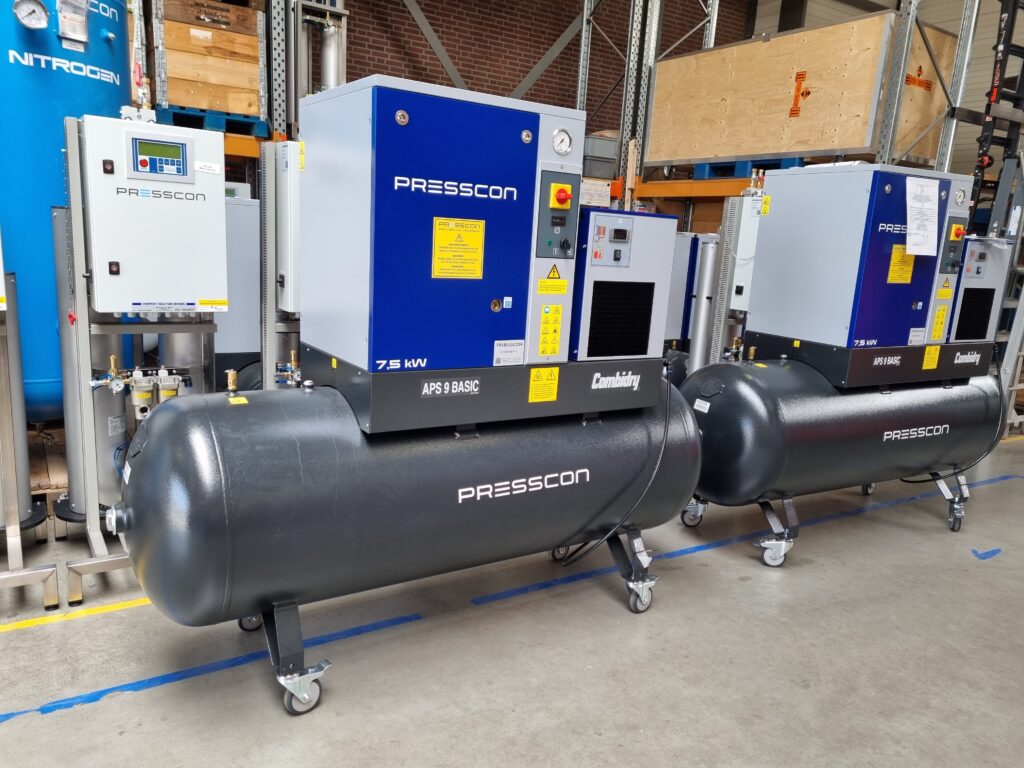
For in-house nitrogen production, you need various compressors depending on your application and production capacity.
How do I identify energy waste in my compressed air system?
You can identify energy waste in your compressed air system by systematically checking for leaks, measuring pressure settings, monitoring energy consumption, and analyzing compressor control. Leak detection using ultrasonic equipment, pressure measurement, and flow measurements provide insight into where energy is being lost, allowing you to take targeted measures for optimal efficiency. Compressed air systems are among the largest energy consumers in industrial environments. Energy waste in compressed air systems occurs because compressed air is an expensive energy source, where only a small portion of the electricity used actually arrives as useful energy at the end user. The problem lies in the inefficiency of the production process. For every kilowatt hour of useful energy, you need approximately […]
What influence does nitrogen treatment have on nutritional value?
Nitrogen treatment generally has a positive influence on nutritional value by preventing oxidation and preserving nutrients. This technique protects vitamins and minerals against degradation by oxygen, allowing fresh products to retain their original nutritional value for longer periods. Modified atmosphere packaging (MAP) and other nitrogen treatments extend shelf life without using chemical preservatives. Nitrogen treatment in the food industry is a preservation method where oxygen is replaced with nitrogen gas to make food last longer. This technique is primarily applied in modified atmosphere packaging (MAP packaging) and bulk storage of food products. In MAP packaging, the air in the package is replaced with a […]
What is the difference between nitrogen from cylinders and generated nitrogen?
Nitrogen from cylinders and generated nitrogen are two fundamentally different methods of supplying nitrogen to industrial processes. With nitrogen cylinders, the gas is stored under high pressure and delivered by an external supplier, while generated nitrogen is produced on-site by a nitrogen generator that filters nitrogen from the ambient air. The main difference lies in the delivery method, initial costs, operational expenses, and suitability for different applications. The choice between these methods depends on your specific needs in terms of purity, consumption volume, and continuity. The two main methods for nitrogen supply in industrial environments are cylinder nitrogen and generated nitrogen. Although the end product (nitrogen gas) is the same […]
What influence does packaging material have on MAP effectiveness?
Packaging material has a direct and significant influence on the effectiveness of Modified Atmosphere Packaging (MAP). The choice of the right material largely determines how well gases such as nitrogen remain within the packaging and how effectively unwanted gases are excluded. Materials with the appropriate gas permeability, mechanical strength, and barrier properties are essential for maintaining the optimal gas composition that extends product shelf life. An incorrect material choice can lead to rapid quality deterioration due to insufficient protection against gas exchange. Modified Atmosphere Packaging (MAP) is a packaging technique where the natural air composition within a package is adjusted to extend the shelf life of products […]
What are the best practices for nitrogen storage in the food industry?
The best practices for nitrogen storage in the food industry include the use of specialized storage tanks that comply with safety standards, regular inspection of equipment, implementation of advanced monitoring, and maintaining strict safety protocols. For optimal results, it is important to choose a storage method that fits your specific application, such as cryogenic tanks for large volumes or cylinders for smaller needs. Automation of nitrogen supply systems not only increases safety but also improves the efficiency and consistency of your processes. Proper nitrogen storage in the food industry is important because nitrogen plays a vital role in maintaining product quality and extending […]
What are the safety risks of nitrogen in the food industry?
Nitrogen is widely used in the food industry for extending shelf life, improving product quality and creating inert environments. Although nitrogen itself is not toxic, its use brings specific safety risks. The main hazards are oxygen displacement (risk of suffocation), risks associated with the use of liquid nitrogen such as freezing, and pressure-related dangers during storage and transport. For safe use, adequate ventilation systems, oxygen monitoring, personal protective equipment and thorough staff training are essential. Nitrogen is applied in the food industry due to its unique properties that help maintain the quality and freshness of food products. As an inert gas, nitrogen is non-reactive […]