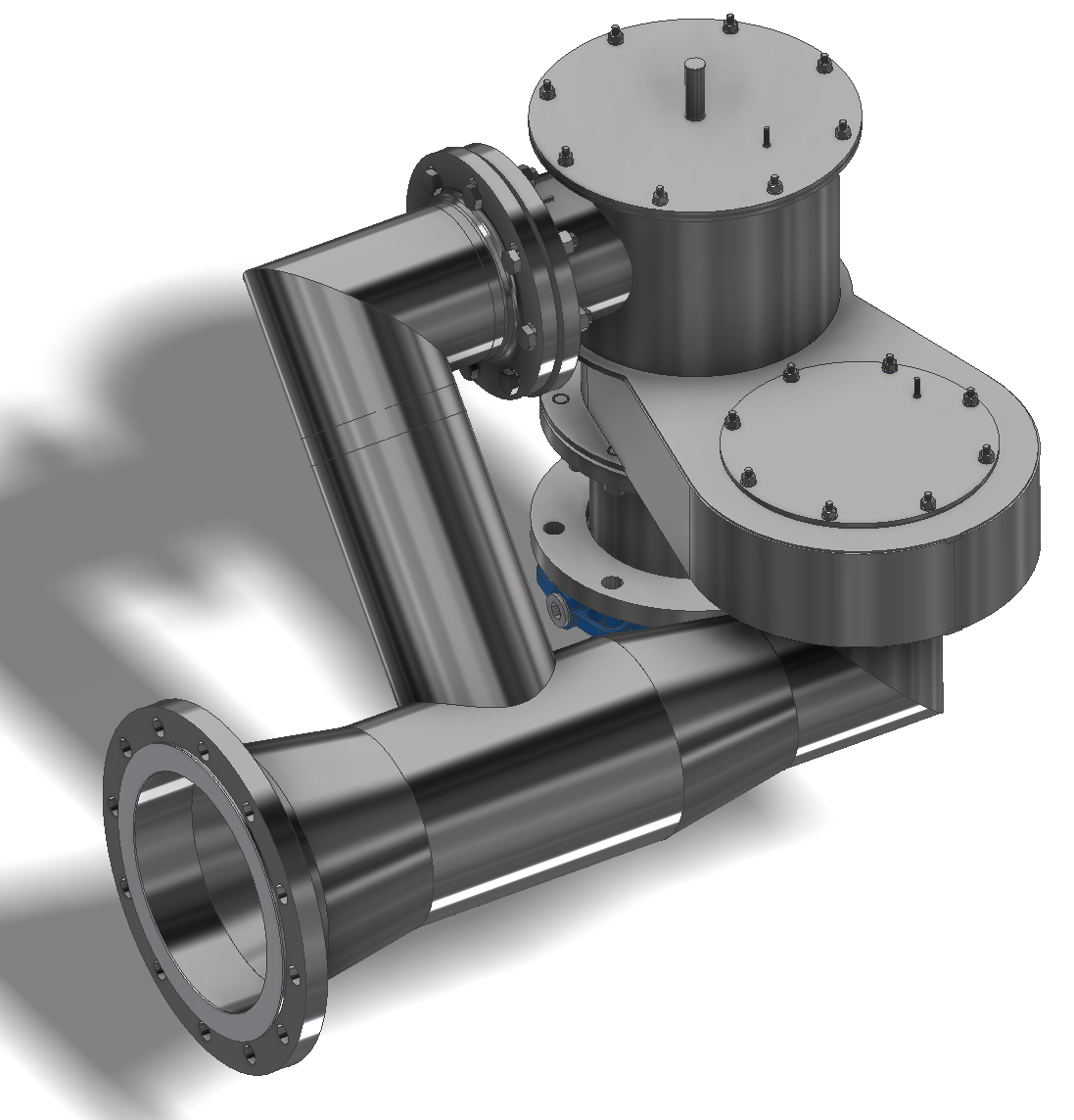
An ATEX pressure relief device can typically handle pressure fluctuations between 0.5 and 40 bar, depending on the type and application. For explosion-safe systems, these safety devices are designed to function within specific pressure ranges while complying with ATEX standards. The correct pressure range depends on factors such as the ATEX zone, medium type, and ambient temperature.
What is an ATEX pressure relief device and why are pressure fluctuations crucial?
An ATEX pressure relief device is a safety component that protects systems against dangerous pressure build-up in explosion-safe environments. These safety devices are certified according to ATEX directives and prevent pressure from rising above safe limits in zones where explosion hazards exist.
Pressure fluctuations are crucial because they directly affect the safety of explosion-safe installations. When pressure becomes too high, this can lead to mechanical stresses, leakages, or even system failure. In ATEX environments, this can increase explosion risks through uncontrolled release of flammable gases or vapours.
The relationship between pressure fluctuations and explosion risks is complex. Sudden pressure changes can cause spark formation through friction or electrostatic discharge. Therefore, ATEX pressure relief devices must not only limit maximum pressure but also function stably during normal operating fluctuations.
Which pressure ranges can ATEX pressure relief devices handle as standard?
Standard ATEX pressure relief devices are available for pressure ranges from 0.5 bar to 40 bar, with various designs for specific applications. For low-pressure applications such as ventilation and dust extraction, safety devices are used up to 2 bar. Medium-pressure systems, such as compressed air installations, use ranges of 2–16 bar.
Classification according to ATEX zones determines which safety device is suitable:
- Zone 0/20: Extra safe design, often 1–10 bar range
- Zone 1/21: Standard industrial design, 0.5–25 bar
- Zone 2/22: Basic protection, up to 40 bar possible
For nitrogen installations, pressure ranges of 6–16 bar are common, while compressed air installations often operate with 8–25 bar. Special applications, such as geothermal systems, may require higher pressures with customised pressure relief valves.
How do you determine the correct pressure range for your ATEX application?
You determine the correct pressure range by taking the maximum operating pressure and adding a safety factor of 1.1 to 1.5. The pressure relief specifications must always be above this value, but not too high to prevent unnecessary pressure build-up.
Important factors that influence the choice are:
- Ambient temperature: higher temperatures require lower pressure limits
- Medium type: corrosive gases limit material and pressure choices
- ATEX zone classification: determines the required protection level
- System volume: large volumes require faster pressure discharge
The step-by-step plan for pressure calculations begins with establishing the normal operating pressure. Next, you determine the maximum allowable pressure for the system and components. The setting of the ATEX pressure protection must lie between these values, taking into account pressure fluctuations during normal operation.
What happens if the pressure fluctuations are too high for your ATEX safety device?
When pressure fluctuations exceed the maximum range of your ATEX safety device, the system can fail or become unsafe. The safety device may open prematurely during normal operating peaks or fail to respond when actual overpressure occurs. This disrupts the explosion-safe pressure protection and significantly increases risks.
Safety problems that can arise:
- Uncontrolled gas discharge through incorrect activation
- Failure of the safety device during actual emergency situations
- Mechanical damage to pipework and equipment
- Increased explosion risk through unstable pressure control
Possible damage to equipment includes leakages in pipework, damage to pumps and compressors, and wear to seals. For systems with negative pressure, an ATEX vacuum pressure relief device is essential to prevent implosion risks. Preventive measures include installing pressure transmitters for monitoring, regular calibration of safety devices, and using pressure dampers to reduce peaks.
Warning signals are frequent activation of pressure relief devices, unexplained pressure drops, and unusual sounds in the system. When these signals occur, immediate action must be taken to prevent dangerous situations.
How Presscon helps with ATEX pressure relief protection
We offer complete solutions for ATEX pressure relief protection, from engineering to maintenance. Our expertise in industrial pressure protection and explosion-safe systems enables us to deliver customised solutions for any pressure range and application.
Our services include:
- Engineering and selection of the correct ATEX pressure relief devices
- Customised solutions for specific pressure ranges and media
- Installation and commissioning of complete systems
- Preventive maintenance and calibration services
- 24/7 breakdown service for critical installations
- Compliance verification according to ATEX standards
With more than 25 years of experience in nitrogen and compressed air installations, we understand the complexity of explosion-safe pressure relief protection. Our in-house production capacity ensures rapid delivery of parts and customised solutions.
Do you have questions about the correct ATEX pressure relief protection for your application? Contact us for professional advice and a customised solution for your specific pressure range and safety requirements.
Frequently Asked Questions
How often should I have my ATEX pressure relief device checked?
ATEX pressure relief devices must be checked and calibrated at least annually. In critical applications or with aggressive media, we recommend six-monthly checks. Keep a log of all checks and replace safety devices that show signs of wear.
Can I use a standard pressure relief valve instead of an ATEX-certified version?
No, in ATEX zones you are legally required to use certified explosion-safe equipment. Standard valves do not comply with ATEX standards and can cause spark formation, which can lead to explosions. Always use ATEX-certified pressure relief devices.
What should I do if my ATEX safety device goes off regularly without clear reason?
This usually indicates incorrect sizing, wear, or contamination of the safety device. First check whether the set pressure is correct and whether there are no blockages. Have the safety device professionally inspected and consider installing pressure transmitters to monitor pressure patterns.
How do I determine whether my existing ATEX pressure relief device is suitable for a new application?
Check the ATEX certification, pressure range, temperature limits, and material choice against your new specifications. Pay particular attention to the zone classification and medium type. When in doubt, it is best to have a risk analysis carried out by an ATEX specialist.
What documentation must I keep for ATEX pressure relief protection?
Keep all ATEX certificates, installation drawings, maintenance logs, and calibration reports. Also document all changes to the system and carry out regular risk analyses. This documentation is mandatory for compliance and important during inspections.
Can I connect multiple ATEX pressure relief devices in parallel for higher capacity?
Yes, but this requires careful engineering to ensure that all safety devices open simultaneously. Use identical safety devices with the same settings and ensure equal pipe lengths. Always have the design validated by an ATEX specialist to guarantee safe operation.